Imagine a home that anticipates your needs, adjusts its temperature to your preference, and even orders groceries when you’re running low. This isn’t science fiction; it’s the reality of smart homes. These innovative spaces are powered by interconnected devices and AI, creating a seamless and convenient lifestyle.
Key Components of Smart Home Technology
1. Smart Lighting: Allows remote control of light intensity and color, with programmable settings.
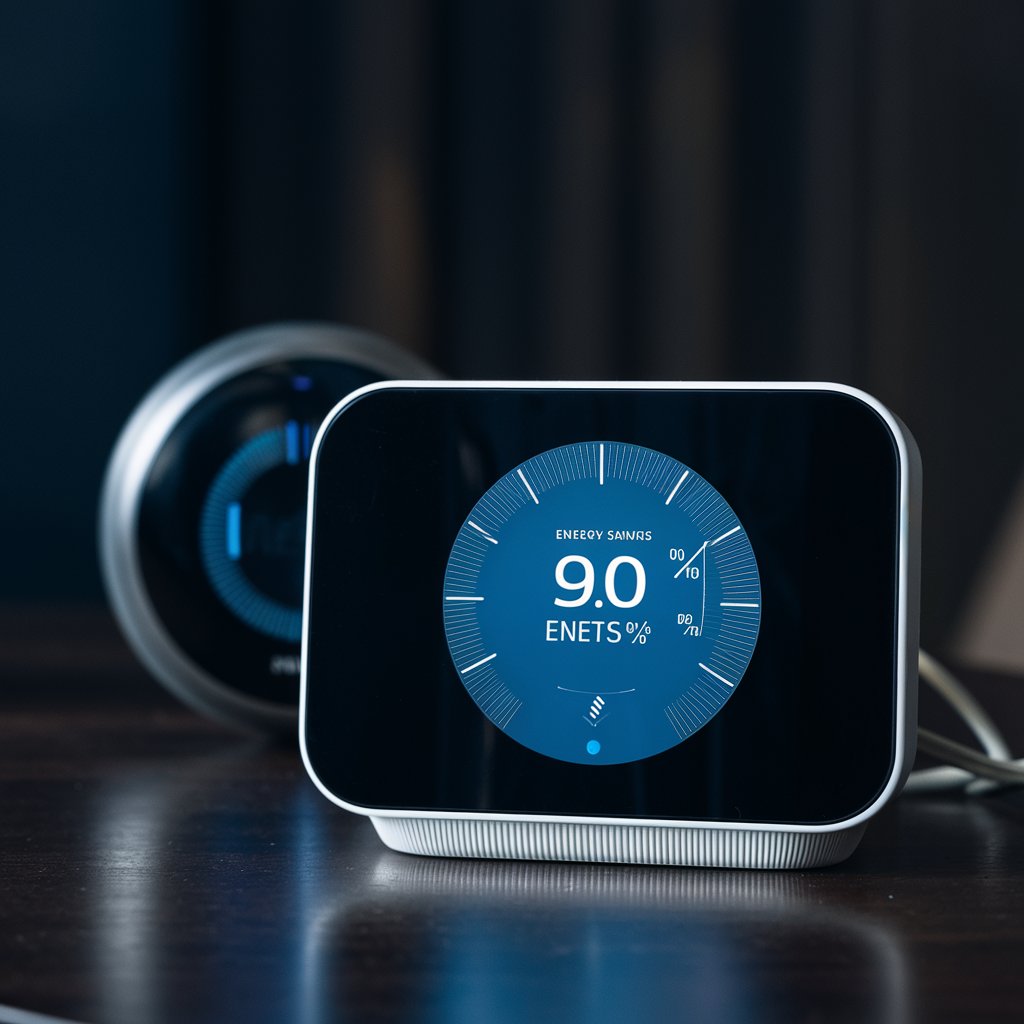
2. Smart Thermostats: Adjust temperature based on user preferences, accessible via smartphone.
3. Smart Security Systems: Includes cameras and sensors for real-time monitoring and alerts.
4. Smart Appliances: From fridges to ovens, these devices enhance convenience and efficiency.
5. Smart Speakers and Voice Assistants: Central hubs for controlling smart devices via voice commands.
What makes a home “smart” ?
The core of a smart home is its Internet of Things (IoT) network. This network connects various devices – from lights and thermostats to security cameras and appliances – allowing them to communicate with each other and with you.
A Glimpse into the Smart Home Experience
Imagine waking up to smart blinds that gently open, letting in natural light. Your smart coffee maker begins brewing your favorite blend, while your smart thermostat adjusts the temperature to your ideal morning setting.
Throughout the day, your smart home anticipates your needs. You can control your smart lighting with voice commands, dim the lights for a cozy evening, and even set schedules for specific lighting patterns.
Beyond Convenience: Safety & Energy Efficiency
Smart homes offer more than just convenience. They enhance your safety with features like: Smart security systems: These systems can detect intruders, alert you remotely, and even activate lights to deter potential threats.
Smart smoke detectors: These detectors can alert you and emergency services in case of fire, even if you’re away from home.
Smart homes also contribute to energy efficiency
Smart thermostats: These thermostats learn your preferences and adjust the temperature to save energy.
Smart appliances: These appliances offer energy-saving modes, reducing your overall energy consumption.
Benefits
1- Convenience and Efficiency: Automates routine tasks, saving time and effort.
2- Enhanced Security: Provides real-time monitoring and peace of mind.
3- Energy Savings: Optimizes usage patterns to reduce energy consumption.
4- Improved Comfort: Tailors settings to individual preferences, enhancing comfort.
Starting your Smart Home Journey
Building a smart home doesn’t require a complete overhaul. You can start small by incorporating individual devices like:
Smart speakers: These devices can control your other smart home devices with voice commands.
Smart plugs: These plugs allow you to remotely control any appliance plugged into them.
Smart bulbs: These bulbs offer color customization and dimming options, enhancing your home’s ambiance.
Future Trends
1- Integration and Interoperability: Unified standards for seamless device communication.
2- AI and Machine Learning: Devices will learn and anticipate user needs.
3- Enhanced Security: Stronger encryption and better data privacy.
4- Sustainability: Focus on renewable energy and advanced energy management.
The future of smart homes is bright. As technology evolves, we can expect even more innovative and personalized experiences. From voice-activated appliances to AI-powered assistants, the possibilities are endless.